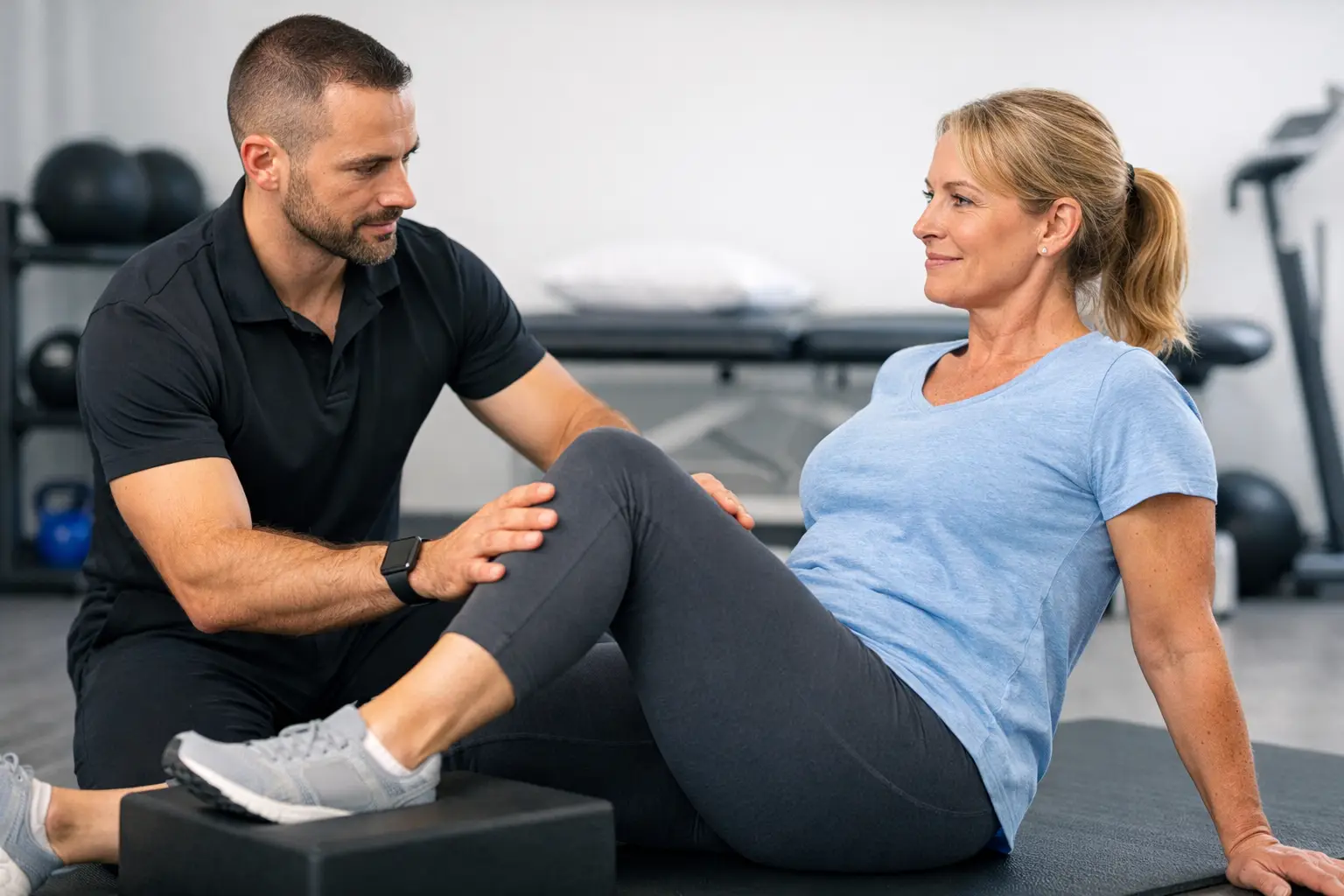
Pain that keeps coming back changes how you move, train, work, and think. If you have been stuck in that cycle, a chronic pain rehab program should do more than calm symptoms for a few days. It should help you understand what is driving the problem, rebuild confidence in movement, and give you a realistic path back to the things you actually care about.
That matters because chronic pain is rarely just about one tight muscle, one irritated joint, or one bad workout. For a lot of active adults, it is a mix of tissue sensitivity, movement limitations, reduced strength, stress, deconditioning, workload issues, and the simple fact that the body has started protecting an area for longer than it needs to. If your care only chases pain from appointment to appointment, progress usually stalls.
What a chronic pain rehab program is really for
A good rehab program is not built around the idea that you need to be fixed by passive treatment alone. It is built around helping you regain capacity.
Capacity is your ability to tolerate movement, training, work demands, and everyday life without constantly flaring up. That could mean getting through a gym session without your back tightening up for three days. It could mean being able to sit, stand, lift, run, golf, or sleep more comfortably. It could also mean trusting your body again after months of guarding and hesitation.
This is where a lot of people get frustrated. They have already tried rest, massage, adjustments, stretching, YouTube mobility drills, or generic physio exercises. Some of those things can help, but if the plan never evolves into progressive rehab, the result is often temporary relief without lasting change.
A strong program should look at the full picture. Symptoms matter, but so do your training history, work demands, recovery habits, mobility restrictions, strength deficits, fear of movement, and the specific tasks that trigger pain.
Why passive care alone often falls short
Hands-on treatment has value. Chiropractic care, soft tissue therapy, massage therapy, joint mobilization, adjustments when appropriate, cupping, shockwave therapy, and Class IV laser therapy can all help reduce pain, improve comfort, and create a window where movement feels easier.
But that window is the opportunity, not the whole solution.
If your shoulder hurts every time you press overhead, your low back tightens whenever you deadlift, or your knee flares up every time your running volume climbs, symptom relief alone does not answer the bigger question. Why does that area keep getting overloaded, and what needs to improve so it can tolerate more again?
Sometimes the issue is limited mobility. Sometimes it is poor load management. Sometimes it is weakness, poor endurance, low confidence, or a return to activity that happened too fast. Often it is a combination.
That is why the best chronic pain rehab programs use passive care as a tool inside a broader plan. The goal is not to keep you dependent on treatment. The goal is to help you move better, build strength, and reduce the pattern of recurring flare-ups.
What should be included in a chronic pain rehab program
The first piece is a detailed assessment. Not a rushed five-minute conversation and a generic sheet of exercises. A real assessment should look at your pain history, movement quality, mobility, strength, training or work demands, flare-up pattern, and what you want to get back to.
From there, treatment should be individualized. That might include chiropractic treatment, physiotherapy, massage therapy, soft tissue work, joint mobilization, adjustments, or other hands-on options when they fit. It might also include shockwave therapy or Class IV laser therapy in cases where those tools support the bigger rehab plan.
Then comes the part that too many people never get enough of - progressive exercise.
Not random band work. Not a forever plan of clamshells and bird dogs if your real goal is to lift, run, compete, or keep up with your job. Rehab should meet you where you are, but it should also move forward. Early-stage exercises may focus on symptom reduction, mobility, and tolerance. Later stages should rebuild strength, control, coordination, and sport or task-specific capacity.
If you are an active person, your rehab should respect that. You do not just need pain relief. You need a body that can handle demand.
The role of strength in long-term recovery
A lot of chronic pain comes with a drop in capacity. You move less because it hurts, then things get weaker, stiffer, and more sensitive, which makes movement feel even worse. That loop is common with back pain, neck pain, hip pain, knee pain, shoulder pain, and stubborn overuse issues.
Progressive strength-based rehab helps break that loop.
That does not mean every problem is solved by lifting heavier. It means your body generally does better when it gradually learns that movement is safe, manageable, and repeatable. Load, when used properly, can be part of the solution. The key is dosage.
Too much too soon can flare symptoms. Too little for too long can leave you stuck. Good rehab finds the middle ground and adjusts based on your response.
For some people, that starts with bodyweight movements, tempo work, isometrics, or reduced range exercises. For others, it means returning to squats, carries, hinges, pressing, sled work, or running progressions in a structured way. The right plan depends on your baseline, your goals, and how irritable the problem is.
Why confidence matters as much as pain reduction
People with chronic pain often stop trusting certain movements. They brace before bending. They avoid loading one side. They stop training hard. They become cautious with work, sport, and even daily tasks.
That response makes sense. If something has hurt for months, your system starts expecting trouble.
A good rehab process does not ignore that. It gives you repeated wins. You move through ranges that used to feel threatening. You learn what level of discomfort is acceptable and what signals mean you should adjust. You stop seeing every symptom increase as damage. Over time, that changes how you move and how you interpret pain.
This is one reason cookie-cutter plans fail. Two people can have similar pain in the same body part and need very different progressions. One may need more reassurance and gradual exposure. Another may need better strength work and clearer load management. Another may need a combination of hands-on care and exercise to get moving comfortably enough to train again.
What this looks like in a modern rehab setting
At a clinic like Ground Up Performance & Rehab in Hamilton, a chronic pain rehab program should feel more complete than traditional passive care. That means starting with a thorough movement assessment, using hands-on treatment when it helps, and then progressing into mobility work, strength-based rehab, and gym-based return-to-performance programming that matches real life.
For a desk worker, that might mean getting through long days without neck or back flare-ups and rebuilding tolerance for exercise. For a runner, it might mean managing volume and improving lower body strength. For a lifter, it could mean modifying training just enough to stay active while rebuilding the positions and loads that have become a problem.
The exact tools matter less than the reasoning behind them. Chiropractic care, physiotherapy, massage therapy, soft tissue treatment, cupping, laser, shockwave, mobility drills, and strength work all have a place when they are chosen based on your presentation, not forced into a one-size-fits-all template.
How to tell if your current plan is missing something
If you feel better for a day or two after treatment but always slide back, that is worth paying attention to. If you have been told to just rest, stretch more, or avoid the activity forever, that is not always the full answer either.
A better question is this: do you have a clear progression?
You should know what you are working on, why it matters, what is being modified, and what the next stage looks like. You should understand whether the goal right now is calming symptoms, restoring motion, building strength, or returning to a specific activity. Rehab does not need to be complicated, but it should be intentional.
Pain that lasts does not always have a quick fix. But that does not mean you are stuck with endless flare-ups or temporary relief as your only option. With the right mix of assessment, treatment, progressive loading, and a plan built around your real goals, you can stop chasing symptoms and start building capacity again.
If this sounds like the kind of support you have been missing, booking an assessment is the best next step. A good rehab plan should leave you feeling clearer, more capable, and more confident about where you are headed next.
