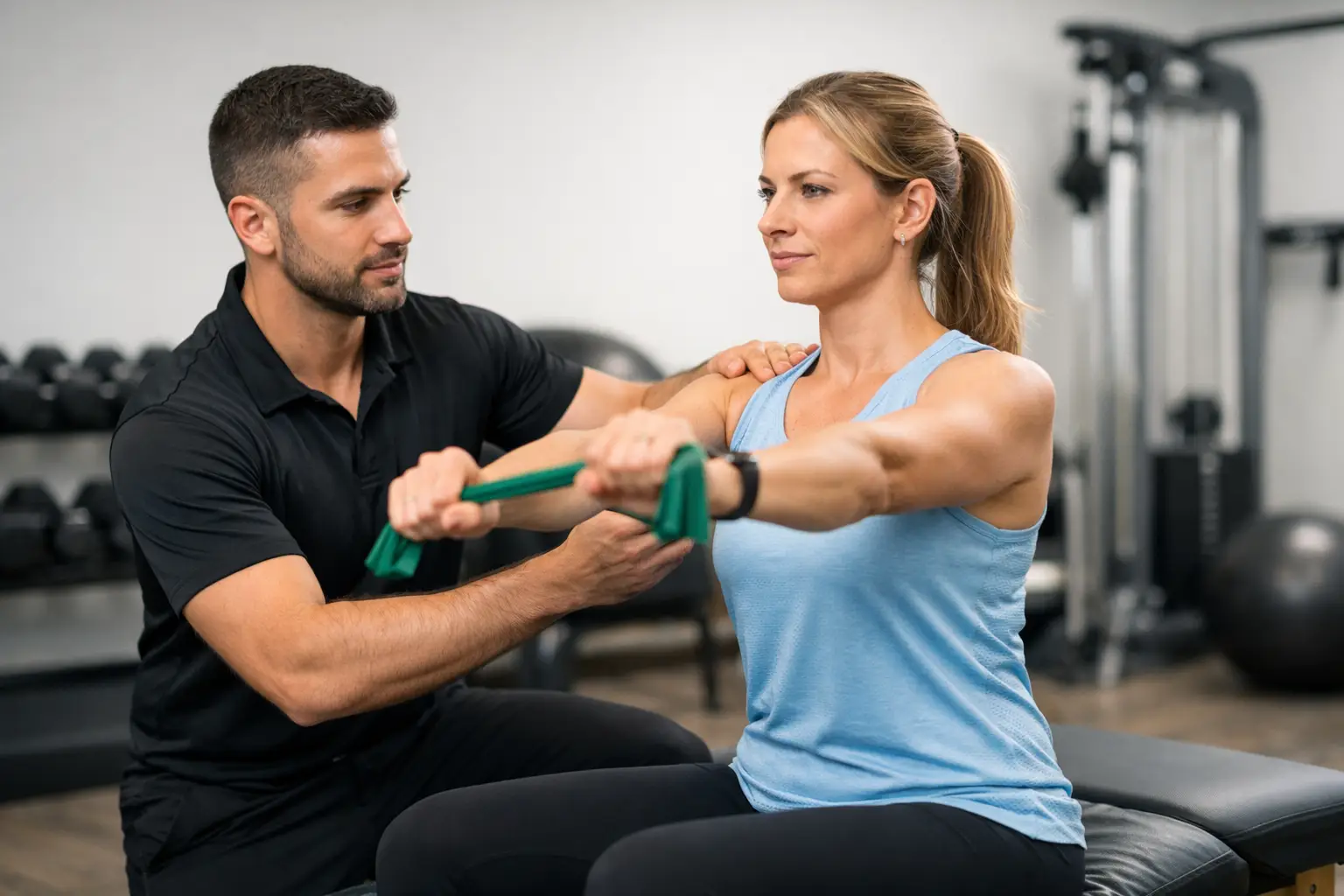
A quick adjustment can feel good. A massage can calm things down. Rest might reduce irritation for a few days. But if your back pain keeps returning when you lift, your shoulder still pinches when you press, or your neck tightens up every work week, you are probably not looking for another short-term reset. You are looking for a plan. That is where one on one chiropractic rehab makes a real difference.
For a lot of active adults, the problem is not just pain. It is that pain starts changing how you move, train, work, and trust your body. You stop loading one side. You avoid certain exercises. You stretch more, move less, and hope things settle down. Sometimes they do. Often, the issue keeps circling back because the real drivers were never fully addressed.
What one on one chiropractic rehab actually means
At its best, one on one chiropractic rehab is not a rushed appointment built around a single treatment. It is an assessment-driven process that looks at symptoms, movement quality, strength, mobility, training history, work demands, and the specific things you are trying to get back to.
The one on one part matters. If you are dealing with recurring pain, a recent injury, stiffness that keeps limiting your training, or a body part that never feels fully solid, you need more than a generic handout and a few minutes on a table. You need time to be assessed properly, coached through movement, and progressed based on how your body responds.
That might include chiropractic treatment, soft tissue work, joint mobilization or adjustments when appropriate, cupping, shockwave therapy, Class IV laser therapy, mobility work, and strength-based rehab. None of those tools matter much on their own if they are not part of a bigger plan. The goal is to reduce pain, improve movement, build capacity, and help you return to training, work, sport, or daily life with more confidence.
Why short appointments often miss the bigger picture
There is nothing wrong with symptom relief. If your back is flared up or your neck is locked up, calming things down matters. The issue is when care stops there.
A lot of people have already tried passive treatment alone. They have had adjustments, massage, stretching, heat, rest, or a few basic exercises. Sometimes that helps for a week or two. Then they sit through another work week, go back to the gym, pick up their kid, or return to running, and the same problem shows up again.
That does not always mean the original treatment was bad. It often means the full picture was incomplete. Pain is rarely just about one tight muscle or one stiff joint. It can also be influenced by strength deficits, movement habits, training load, mobility restrictions, recovery, technique, or the simple fact that your body is no longer tolerating the demands you are placing on it.
One on one rehab gives space to actually work through those factors. Instead of asking only, Where does it hurt, the better question becomes, Why does this keep showing up when you squat, swing, sit, run, or reach overhead?
One on one chiropractic rehab should be active, not passive
This is where many people start to see the difference between traditional passive care and a rehab-focused model.
Hands-on treatment can be useful. It can reduce pain, improve short-term mobility, and make movement feel less guarded. But if that temporary window is not followed by better movement and progressive loading, it often stays temporary.
The role of hands-on care
Chiropractic care can help settle symptoms and restore motion where needed. Soft tissue therapy can reduce tone and stiffness. Shockwave therapy or Class IV laser therapy may be helpful in certain cases when tissue irritation, tendon pain, or stubborn symptoms are part of the picture. Cupping may help some people feel less restricted. These are tools, not the full solution.
Used well, they create an opportunity. If your shoulder moves better after treatment, that is the time to retrain pressing mechanics or rebuild overhead strength. If your low back feels less guarded, that is the time to work on hip control, trunk stiffness, and loading tolerance. The treatment opens the door. Rehab is what helps keep it open.
The role of exercise-based rehab
Exercise is where the long-term change usually happens. Not random rehab exercises pulled from social media. Not generic core work for every back issue. A good plan matches your body, your irritability level, and your goals.
Sometimes early rehab is simple. You may need controlled mobility work, pain-free isometrics, breathing strategies, or basic strength patterns to reduce sensitivity and build trust in movement again. Other times, especially for gym-goers and athletes, rehab needs to look more like training. That can mean split squat progressions, single-leg control, pulling volume adjustments, tempo work, plyometric reintroduction, or return-to-running and return-to-lifting progressions.
If you want to get back to doing demanding things, your rehab has to prepare you for demanding things.
Who benefits most from one on one chiropractic rehab
This approach tends to make the most sense for people who want more than temporary relief.
If you are a desk worker with recurring neck tension and headaches, the issue may involve posture tolerance, thoracic mobility, upper back strength, stress, and how often you actually move during the day. If you are a lifter with persistent hip pinching, it may be linked to squat depth tolerance, control through range, pelvic positioning, or training volume. If you are a runner with recurring calf or knee pain, you may need a better loading plan, strength work, and a more structured return to mileage.
The common thread is not the body part. It is that your symptoms are affecting the way you function, and you want to understand what to do next.
This model is especially useful if you have already tried passive care, quick appointments, or generic exercises and still feel stuck. It is also a strong fit for people who value coaching, accountability, and a rehab plan that changes as they improve.
What to expect from a better rehab process
A good one on one rehab plan should feel clear, not confusing.
What happens in one on one chiropractic rehab
It starts with a detailed assessment. That means talking through your symptoms, your training or work demands, the pattern of flare-ups, what aggravates things, and what you have already tried. It also means looking at how you move. Depending on the issue, that may include range of motion testing, strength testing, movement screens, lifting patterns, balance, joint mobility, tissue tolerance, and exercise-specific assessment.
From there, treatment should be individualized. Some sessions may include more hands-on care early on if pain is high and movement is limited. Other sessions may focus more on exercise progressions, movement retraining, and gym-based rehab. Most cases benefit from a combination.
The plan should also evolve. Early-stage care often focuses on settling symptoms and restoring basic function. Mid-stage rehab usually shifts toward building strength, control, and tolerance. Later-stage rehab should look more like the real-world demands you want to return to, whether that is deadlifting, golfing, climbing stairs without pain, carrying your kids, or sitting through a full work day without your back tightening up.
That progression matters. Rehab should not end the moment pain drops. If you stop at feeling 70 percent better, there is a good chance the same issue returns when life or training ramps up again.
Why the gym environment matters
For active adults, rehab works better when it bridges the gap between treatment and real movement.
That is one reason a clinic with dedicated gym space can be so valuable. It allows the transition from table-based care to loaded movement, strength progressions, and return-to-performance work to happen in the same setting. You are not just being told what your body should be able to do. You are actually practicing it.
This matters for athletes, but it also matters for everyday people. Getting back to life often means carrying groceries, climbing stairs, sitting at a desk, standing through long shifts, or keeping up with kids. Rehab should prepare you for your actual life, not just help you feel looser for a few hours.
At Ground Up Performance & Rehab in Hamilton, that rehab-first approach is a core part of care. Chiropractic treatment remains an important tool, but it sits inside a broader model that also includes movement assessment, hands-on therapy, progressive exercise, and performance-based rehab.
The trade-off most people need to hear
One on one chiropractic rehab is not the fastest route to a temporary fix. It usually asks more of you than passive care alone. You may need to move differently, build strength, follow a plan between sessions, and stay consistent even after symptoms start improving.
That is the trade-off. It takes more effort upfront, but the goal is a result that holds up better when you get back to real life.
Not every issue needs an intensive rehab plan, and not every person needs the same blend of treatment and exercise. Some people respond quickly. Others need a more gradual build because pain has been around for months, confidence is low, or their work and training demands are high. It depends on the problem, the person, and the goal.
What should stay the same is the standard of care. You deserve an assessment that looks beyond symptoms, treatment that fits your presentation, and a progression that helps you return to the things you care about with more resilience than before.
If your body keeps sending the same warning signs every time you try to train hard, work long hours, or get back to sport, it may be time to stop chasing short-term relief and start building a better foundation. If this sounds like what you are dealing with, book an assessment online and we will help you figure out the best next step.
